Image Post

Treadmill as a Training Tool

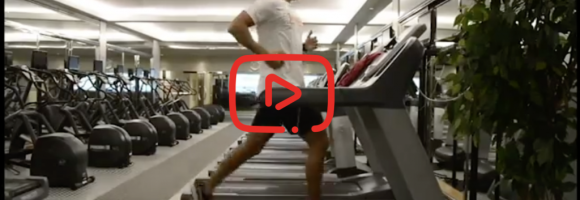
The treadmill is a tool that is not explored as much as it should be. It has a reputation of being boring compared to running outside. As much as there is a good deal of truth to this, it also offers many benefits that can’t be replicated on the roads for athletes of all levels. Learn more about this excellent training tool in the article below.
More Efficient Biomechanics

Running on a treadmill with zero degree incline allows you to run faster than you would on the road, but with the same aerobic load, which means you can run faster for longer, thus developing the motor skills associated with that improved speed. Make sure you keep the treadmill completely flat (no incline) at 0% grade, not 1% as some coaches or articles recommend.
What does this mean? You have a greater benefit from the same workout. This is because the feeling and load when you run for example at 4’30″/ km on the treadmill is easier than the same pace when running outside, so in order to generate the same aerobic load you are able to increase the speed.

If you can run at 4’30″/ km for 5 km outside, it is likely that you can hold around 4’15” / km on the treadmill, at the same aerobic load, same heart rate and very similar perceived effort. However, you work your motor skills at a faster rate, and by doing it frequently, your muscles will be used to working and getting that rhythm and you end up running faster because you are training your legs at a faster rate than your aerobic system.
Fewer injuries and faster recovery is another benefit of treadmill running. While it is crucial, especially for long races, to get some pounding into the legs from the long runs, for most of the other run sessions, the impact on the legs from a treadmill is lower than running outside. This allows the athlete to train at a higher quality and volume without increasing the risk of injury.
Controlled variables

The treadmill allows you to better monitor your workout improvement and that gives you the opportunity to better understand how your body responds to external factors such as sleep, diet or stress. The more often you run on the treadmill with consistent variables, a feedback is generated on where you are in terms of fitness in relation to your recent training. This can also be a gauge for your fitness level without the need of entering a race very often.

This is only possible when factors that are variable outside, become controllable on the treadmill, such as gradient, wind speed and temperature.
As you get used to doing your running on the treadmill, you can simulate the reality of a triathlon race. You can use gradients, or combine with a spinning bike to simulate your race day needs. Depending on the gym, you can swim then run, or lift weights then run and that will teach you to run on tired legs. As long as you do every workout in order to run with the best technique, you will greatly improve your ability to run well in a triathlon.

Learn Pacing

One of the major limiting factors of every athlete is to run at an appropriate pace both in training and races.

The treadmill helps you learn to control your pace, because unlike running outside, if the pace is too fast and you need to slow down, you have to manually make this change in speed and slow the treadmill down, while out on the roads, your speed may drop without you noticing.

Each time this happens, it is a stimulus for you to try to maintain the next repeat or run at the same speed until the end.

This also simulates running with a strong training partner since when you run with a faster athlete, it is easier to stick to that faster pace compared to running alone. The motivation to run with a training partner helps you achieve new speeds and goals. The same can be done with the treadmill, because you need to make the decision manually, to “give up” when you slow the treadmill down, or compared to outside running, you decide to let your training partner go.

Convenience

For some athletes based in big cities, the commute to a park or a track can just take too long, while there is usually a gym close to home with a good treadmill (which reaches at least16km/ h). You have the benefits of finishing the workout at the gym, either before or after work, in addition to the always mild temperature, regardless if outside it is too hot or cold.

Safety is also another reason for treadmill training that should not be ignored. Some athletes only have the opportunity to train early in the morning or late in the evening. The treadmill allows athletes with non-traditional schedules to train safely at whatever the time they have to run, and it also keeps them safe from cars or bicycles.

Improves ability to stay focused

The main reason for most athletes to not use the treadmill is the mental part, we may all agree that a run on the treadmill without a challenging set can be relatively boring and it just won’t beat the fun of running outdoors, especially in a nice place with a group of friends or in nature.

Enjoying training is one of the reasons why we do this sport, and the lifestyle benefits. I had an athlete who once told me “I refuse to train indoors, I do triathlons to feel the wind blowing through my hair,” which is an understandable argument. But once you care a little about performing in races, or you find yourself in a situation and circumstances where you aren’t allowed to train in nice environments, try to structure your workouts into sets on the treadmill and it can become extremely fun and challenging.

Every athlete must also learn to understand the positive side of every situation, in addition to all the benefits already mentioned in this article, running on the treadmill makes you mentally stronger and not easily distracted. This has a great value in triathlons, as you will find yourself in a situation when you will need to focus on the effort you are doing, especially later in the run leg when you are getting fatigued.

Enjoy your training,

Coach Vinnie Santana
vinnie2


ironguides is the leading Lifestyle Facilitation company for athletes of all abilities. We provide coaching and training services, plans and programs, as well training education, health and fitness products to help you learn and live a healthy lifestyle. Come get fit with one of our monthly training subscriptions, event-specific training plans, coaching services, or a triathlon training camp in an exotic location! ironguides also provides Corporate Health services including Corporate Triathlons, Healthy Living retreats and speaking engagements. At ironguides, your best is our business!

Train with ironguides!

Personalized Online Coaching:  Starting at USD190/month

Monthly Training plans (for all levels, or focused on one discipline): Only USD39/months

Event based training plans:

Sprint Distance (USD45 for 8-week plan)

Olympic Distance (USD65 for 12 week plan)

Half Ironman (R$95 for 16-week plan)

Ironman (USD145 for 20-week plan)

X-Terra (USD65 for 12-week plan)

Running Plans (10k, 21k and 42k – starting at USD40)

 

Image Post

Triathlon Injuries: 3 most common and 2 treatments

Training for top level performance in Ironman, injuries are inevitable but there is a lot we can do to prevent injuries from  occurring. So many of us focus on simply swim bike run and neglect the little things that can make sure we do not break down.

When we focus on simply endurance training little problems can be developing below the surface like a time-bomb waiting to explode. This is normally in the guise of tight muscles or stiff joints.

The problem we face as athletes is the body is extremely adaptive and will compensate for any tightness by using different muscles to perform required movements – the result is we do not notice the problem as it is occurring and then it builds to a point and we get a sudden breakdown.

So how do we prevent this from happening?

Firstly I would advise at the start of any new season having a full movement screen by an experienced coach or physiotherapist – they should be checking all basic movements are correct and the correct muscles are working and no underlying tightness is present. From a screen like this you should be able to go away with a set of exercises to address any problems or if all is ok you have a bench mark to work from in case anything does come up during the season.

This option will not be available for everyone and can be quite costly, so how do we check ourselves?

While it is not possible to do a full check we can certainly go through some basic movements to see if we do have problems. As triathletes there are some areas that are typically tight and dysfunctional – these are hips/ lower back and glutes.

HIPS

Stand up with feet shoulder width apart – keeping legs straight put both hands above head and then try to lean back as far as possible. What should happen is in order to lean back, hips will push forward to allow the movement to occur. If you are tight in the hips you will tend to have very little movement doing this and you may even feel strain in you lower back. In bad cases of tight hips you may notice when standing you have excessive curvature of the lower spine and your bum sticks out!!

LOWER BACK

Standing with feet together and hands by your side try to lean over so your hand traces a line down to your knee – this should be smooth and pain free. If you have tightness in your lower back this will feel very uncomfortable and you will find you want to twist in order to allow the moment to happen.

GLUTES

Sit on a chair with back straight and looking straight forward. Now place the ankle of one leg over the other knee and press down slightly on the knee of the raised foot. Now gently lean forward and keep your back straight. If the glutes are tight you will probable feel a deep cramping/ aching sensation as soon as you move, if they are in good condition you should be able to lean forwards with a straight back fairly easily.

Treatment

If you find any issues from these basic movements above then it would be wise to address these before staring any training program, starting a program with an underlying issue is asking for trouble. Spending a couple of weeks working on mobility and maybe seeing a specialist to advise on exercises will make training when you get started much more productive but will also allow you to be more consistent with your training and this really is the key to success.

Day to Day care

We all have our daily routines, what we do first thing on waking up and how we go about our days, simply adding one thing to this routine for all endurance athletes would significantly reduce injury occurrence and in my opinion enhance your ability to train consistently.

What I advise is having a foam roller or trigger point roller close at hand and getting on for a quick check through your muscles for any areas of tightness. This process would take no more than 5 minutes and you will be surprised what you will pick up. The number of times I have had athletes tell me everything is good only to have them jump through the roof after one roll through a muscle group is testament to the fact we really do not feel tightness  building up until its at quite an advanced stage.

When rolling look to start at the feet and work up through the body, aim to roll 10 times over each major muscle group, so feet, calves, hamstrings, quadriceps, ITB bands, glutes, lower and upper back.

This rolling has been called the paupers massage but in my opinion is even better than massage as nobody can feel what is going on inside your body quite like you can. If you find an area that is particularly sore then spend more time with small rolls over the muscle until you feel it ease off. If you are not able to relax the muscle you can then consider visiting a sports therapist for deeper more targeted massage.

By performing this simple task day to day you will not only be keeping your muscles in great shape you will be alerted to any problems way before you will feel any tightness or problems in your training.

When we are looking towards achieving the best we can in terms of physical performance we need to be achieving long periods of consistent training in order to reach our true potential. If you were to look at the day to day life of our sports top athletes compared with top age groupers the main difference is not the hours of training as you would be surprised  with how little some our best performers train but its the little things around the program that enable them to knock out week after week of hard training. For example hitting the gym for 10minutes after a swim session to work through a hip strength routine or some rotator cuff exercises, spending 10minutes on the roller before a hard run session… all small things but they make a huge difference to development.

Take a step forward with your training and add this 5 minute check to your daily routine and you will reap the rewards come summer.


Enjoy your training.
By Alun “Woody” Woodward
ironguides is the leading Lifestyle Facilitation company for athletes of all abilities. We provide coaching and training services, plans and programs, as well training education, health and fitness products to help you learn and live a healthy lifestyle. Come get fit with one of our monthly training subscriptions, event-specific training plans, coaching services, or a triathlon training camp in an exotic location! ironguides also provides Corporate Health services including Corporate Triathlons, Healthy Living retreats and speaking engagements. At ironguides, your best is our business!

Train with ironguides!

Personalized Online Coaching:  Starting at USD190/month

Monthly Training plans (for all levels, or focused on one discipline): Only USD39/months

Event based training plans:

Sprint Distance (USD45 for 8-week plan)

Olympic Distance (USD65 for 12 week plan)

Half Ironman (R$95 for 16-week plan)

Ironman (USD145 for 20-week plan)

X-Terra (USD65 for 12-week plan)

Running Plans (10k, 21k and 42k – starting at USD40)

 

Image Post

Ironman Training – Spring Mistakes

By Alun Woodward, Online Triathlon Coach, ironguides.net

Spring is a time of growth in nature and a time of booming enthusiasm among athletes. After the cold dark winter months the nights are getting longer and the temperature is heading north, no longer are we waking up or finishing work with the prospect of training in the dark. This alone gives us a huge motivation boost but also the lighter days are signalling race season is right around the corner.

Having trained well all winter and in good shape we need to take a step back and make sure we do not get carried away with this boost in motivation. Your training plan may well have changed to coincide with the arrival of spring and the impending race season and with these changes there are some often ignored elements that need to be taken into consideration.

NUTRITION

One of the biggest mistakes being made at this time of year is with nutrition, a sudden rush among athletes to get to race weight usually means a reduction in calories. In general you are going to be training a little more and with more intensity in your spring program, if you add these 2 elements to your training program and then restrict calories you are going to be setting yourself up for a problem pretty quickly.

As you ramp up your training you need to also ramp up your calorie intake, the more intensity in your program the more the calories need to maintain the workload, the increase in training load will slowly take care of getting you to race weight without the need for restricting calories. Always have in the back of your mind you want to be at race weight for your main race not your first race unless they are one and the same! A slow progression to race weight is always the best.

Having said this judging how many calories you need is a hard one to judge so how do you know if your not getting enough? Look for the following symptoms and act upon them!

Feeling more cold than normal

If your feeling cold more than normal and others around you are not noticing this then its a sure sign your not getting enough calories by a long shot!

Have you become the GRUMP

Have you found yourself becoming grumpy at times when everything seems to be going se well for you, no idea why your feeling like this – its quite simple – you need to eat more. I see a lot of athletes who eat well and very healthy meals who very quickly get into this state and do not understand it – the problem is the meal size/ calorie load was just not enough for the demands being put on your body. Studies have shown that ab libitum feeding post intense exercise is not enough for replacing calories expended.

If you often find yourself in this state or maybe ask those close to you if your becoming like this then its time to make a big effort to up your calorie load and see your mood come back on track.

Lack of progress

If all the hard training your doing is not translating to improved fitness and speed then once again limiting calories could be your issue. We need to train hard to improve but if your not fuelling

the hard work your body will not be able to adapt, imagine building a wall of bricks without using cement – the wall will always have a limitation and keep falling down as there is nothing to hold the bricks together. If you want your body to adapt and improve you need to be providing not only the training stimulus but also the fuel for growth.

wagner-araujo25

ADDING VOLUME THROUGH SOCIAL TRAINING

Another issue athletes often fall guilty of is too much social training once the weather turns, not that training with others is a problem in itself the issue is more jumping into more training just because friends are heading out and thinking another couple of hours on the bike will make no difference as its easy! While this may seem like no issue the problem is more that the additional hours added to your training load can just be too much and too much training stimulus can also stop adaptions occurring. So if your getting lots of invitations to head out with others make sure that the sessions closely match your plan and your not adding too much volume to your overall plan.

Not only the added volume of social training needs to be considered but also the competitive side of the sessions, all too often that easy ride with friends turns into a race especially as everyone is desperate to prove their fitness after all the hard indoor sessions that have been done during the winter. Resist the urge to join in and be confident in the work you have done and remember the time to show your fitness is race day!

If you look back at last years you will generally find the friend who was sitting at the back of your group of seemed to be suffering during training sessions is the one who is up front on race day not the guy who is always charging away at the front of training sessions!

NEGLECTING RECOVERY

The arrival of spring makes us feel invincible with the added energy it seems to bring, the increase in vitamin D levels through expose to the sun is a boosting hormone and we just feel so much more alive than we did during the winter time.

This not only brings possible issues with everything above but this feeling of invincibility tends to lead us to forget the importance of recovery methods in our training program. On those cold dark winter nights it is easy to find a little time in the evening to jump on the foam roller or do any rehab strength exercises we may need to keep on top of to prevent injures but once spring rolls around we all too easily put these things away and do not think about them again until injuries hit.

Spring time with the change in training plan and intensity mentioned above is a time when we need to be even more diligent with out recovery, if your training harder the muscles are under more stress and you need to work harder to look after them in order to get the most out of yourself as an athlete.

This spring make sure you consider all we have talked about and implement them into your training plan accordingly and you will reap the rewards with improved fitness and accelerated adaptions to your training.

Eat well, eat more, recover hard and you will have the best summer race season ever.

Enjoy your training ,

***

Alun Woodward, ironguides Online Coach 

Alun Woodward

Train with ironguides!

Personalized Online Coaching:  Starting at USD190/month

Monthly Training plans (for all levels, or focused on one discipline): Only USD39/months

Event based training plans:

Sprint Distance (USD45 for 8-week plan)

Olympic Distance (USD65 for 12 week plan)

Half Ironman (R$95 for 16-week plan)

Ironman (USD145 for 20-week plan)

X-Terra (USD65 for 12-week plan)

Running Plans (10k, 21k and 42k – starting at USD40)
Image Post

Triathlon Maintenance program to get you through the holidays

The Holiday season is fast approaching and for athletes this time of the year presents a significant challenge when it comes to finding the time to train and still enjoy all the festivities and family time.

As we head into December its a good time to plan for the month ahead, knowing ahead of time that a little curtailing of your training program will allow you to both maintain fitness and free up time for family and friends. Taking the stress away from trying to stick rigidly to your training program and relaxing more with family and friends while maintaining fitness will see you head into the New Year refreshed and highly motivated to get back to your plan.

Firstly we need to understand that maintenance of fitness is possible with significantly reduced training volume for a period of 3-4 weeks. We need to get away from the mentality of always chasing fitness and accept that for a short time the only focus is on maintenance. So if your regular week involves 12 hours of training then you can quite safely reduce this to 6-8 hours a week. Just think if you take into account all the commuting and preparation time for these training hours you may be freeing up 10 plus hours a week – at such a busy time of year this can be very welcome extra time.

When sitting down and looking at your training schedule the first sessions you can reduce or remove are the endurance sessions, losing your long ride and run at this time of year are not going to hurt your performance. Quality in your training does need to be maintained, your strength and speed sessions are important but these too can be reduced in volume and number, we just want to make sure in each week that we hit one of each session type. For example if your run speed session called for 30minutes of intervals then this can safely be reduced by 50%, the speed remains the same to ensure we keep hitting the muscles the same way – the focus is on keeping the muscles used to the motor patterns of the workout without stressing them for progress as we would in a regular week.

EXAMPLE CHANGE – RUN SET

ORIGINAL – 2x3k moderate + 3min easy between – 4x1km hard + 90s rest

NEW SESSION – 2x2km moderate + 2min easy between – 2x1km hard + 90s rest

Rest days are not something we normally plan into a training schedule at ironguides as we believe life will always get in the way at times and force rest days upon us but during the holidays planning a rest day or 2 can work well especially if it is following a special event or night out so you can indulge without guilt at it effecting training the following day.

Talking of special events such as a night out, meals with family and friends and drinks then this does tend to come with a certain amount of guilt for many athletes, that guilt tends to be in the form of the excess calories that will be consumed. The typical response from many is the need to train more before or after such events to compensate for this over indulgence but this can lead to problems in itself as the body is already tired and stressed and training more at this time of year can over stress your immune system and leave you more prone to infections and illness.

This guilt or fear of such events if we are honest is not focussed around losing fitness but more on gaining weight, it is typical for most to put weight on over the holiday period so this fear is very real. I think one of the best quotes and one of the only factual quotes in fitness is the “six pack abs are made in the kitchen not the gym”! No amount of abdominal work is going to give you six pack if they are covered in a layer of fat from excess eating!

The reason people experience significant weight gain during the holidays is because we make no change to our regular diet and just add to this during nights out and family events! We have to make some adjustments to what we are eating in order to enjoy the festivities guilt free. Embracing intermittent fasting is a great way to do this, a simple way to control calorie intake and avoid overdoing the calories without realising.

Intermittent fasting involves a daily period of fasting, a good starting point is 16 hours per day without any calories and consuming all your calories in an 8 hour window. For example your first meal may be around midday and last meal 8pm, this not only gives the body a longer period of fat burning daily it also allows bigger more satisfying meals to meat your daily calorie requirements. For example a typical male calorie requirement per day is around 2500 calories,

MEAL 1 – 12pm to 2pm – approx 500 calories

MEAL 2 – 5pm – 800 calories

MEAL 3 – 8pm – 1200 calories

For most of us eating 1200 calories at one meal is going to be a struggle but at a restaurant or holiday meal with all the high calorie foods and drinks available getting to this quantity will not be hard at all. If you know you have a tendency to go totally overboard at such events you can further curtail your days calories leading up to the event leaving you a larger calorie buffer for the event!

So rather than seeing the solution to overeating as quite literally training your ass off look at making some little changes to how you eat through the day in order to enjoy your big meals guilt free.

Finally have some fun over the holidays, maybe throw a challenge day into your training, you are on reduced volume and you may have have a few forced rest days so your body is going to be fresh and you can use this freshness for a challenging day, maybe a crazy session you have always wanted to try or an extra long run loop. Another option is there are always a lot of fun local events on over the holidays so jump in and enjoy your fitness, Christmas Pudding runs on the 26th December are very popular in the UK and so many other fun events are out there. Locally we have a Wheelbarrow race that takes place on the 1st of December, this is a 1 mile event involving teams of 2 people and a wheelbarrow, you have to get round the course as fast as you can with one runner pushing the other in the Wheelbarrow and changing positions as many times as needed on the way round.

Make sure you take a little time to plan how your training will look over the holidays, this will allow you to enjoy the period stress free and not only maintain your fitness but you will find you go into the New Year refreshed and ready to get back to your regular training routine with rented focus and determination!

Enjoy your training.
Alun Woodward

Train with ironguides!

Personalized Online Coaching:  Starting at USD190/month

Monthly Training plans (for all levels, or focused on one discipline): Only USD39/months

Event based training plans:

Sprint Distance (USD45 for 8-week plan)

Olympic Distance (USD65 for 12 week plan)

Half Ironman (R$95 for 16-week plan)

Ironman (USD145 for 20-week plan)

X-Terra (USD65 for 12-week plan)

Running Plans (10k, 21k and 42k – starting at USD40)

Image Post

Ironman Performance – Overcoming a Frustrating Season

Triathlon can be very rewarding and when things are going well with training and racing all seems perfect but when we are chasing ironman performance this is not always the case. Its very easy to get stuck in a negative situation with injuries or sickness effecting plans and compromising both performance and the enjoyment we used to experience from training.

We all experience this at times as sickness is inevitable but if your not careful its easy to go through a roll coaster of sickness after sickness and before you know it a whole season has passed by in this state.

Lets start by looking at why this happens and then we will look at how to get back to full health and start enjoying and progressing once more with your training.

Firstly ironman training for performance is very stressful on the body, the simple fact of training to improve performance means we have to stress our bodies in order to force the body to adapt to that stress and progress our fitness.

The big issue that most athletes face here is balancing stress, yes we have to stress the body in order to improve but the level of stress required to bring about adaption is a lot less than most athletes think. Not only is the level of stress required less than we think but if we put our bodies under too much stress then adaption simply stops as the body cannot keep up/ adapt fast enough.

This state of being overstressed with too much training is where most athletes are, they train very hard yet see very little if any change in performance over time. Now factor into this that lifestyle stresses also play a role here. When i say lifestyle stresses i am talking about how much sleep we get, how demanding our job may be, hours spent driving or commuting for school or work, household chores and dietary stresses are all major influences on our stress levels. The body does not differentiate between training stress and lifestyle stress, so if you are overloaded with lifestyle stress and try to increase training stress then things are not going to work out well.

What happens when we do this is our bodies start to break down, our immune system is one of the first to suffer, our body is trying so hard to adapt to the stresses of training and life that our immune systems not longer have the resources available to fight off basic infections. We simply end up picking up infection after infection that normally our bodies would fight off with ease.

If this sounds familiar to you then its time to take action and make some changes. Stop looking at vitamin bottles and recovery drinks and assuming these are going to be the solution, that your simply lacking something in the diet, this is very unlikely to be the case and will not prevent this pattern of repeated infections.

Firstly we have to look at all the stresses going on and figure out which ones we can reduce in order to get our health back on track. If you work 8 hours a day with a 1 hour commute this is not generally something you can change whereas a 30min commute and 30minutes in the supermarket twice a week is something you could change by trying online shopping. If you use a gym twice a week that requires a 30min commute for strength training then maybe investing in some basic strength equipment at home would free up even more time and reduce stress.

We also have to look at training volume and intensity, this is the one area an athlete will look at last and find it hardest to change. If you generally train 10 hours a week maybe you need to reduce this to 6-8 hours a week and see if you experience better health and improved performance. I have seen time and time again with athletes that amazing performances can come from very little volume and its quite simply a result of everything being in balance and just ensuring that the body is receiving adequate stress from the training in order to force adaption.
Learning to go easy and really hard are also a lesson many athletes need to learn, so many train almost always at a moderate intensity that is very stressful on the body. For example the long run is a foundation to almost every training plan, this should be a very easy run, heart rate low and you should be able to maintain the effort for hours, you should not be finishing your long run if its 90min long feeling like your done in, you should be finishing feeling fresh and full of energy! On the other side of the equation you need to go very very hard for short periods, this is how our bodies are built, we adapt very quickly to this kind of stress so long as the intensity is short enough and hard enough, the issue most athletes have is they are so tired from going too hard on their easy workouts that when they try to go hard they are really not much above their moderate pace and so no real stimulus to adaption is going to take place.

So how do we make changes to stop this pattern reoccurring and wasting another year. Firstly you have to accept that a change is needed, and you need to accept that it is going to take some time, i like to set aside 8-12 weeks for this initial change before reevaluating.

With training we need to look at the most important sessions for health as a starter, that means we need very very easy aerobic sessions and some very very hard short duration interval sessions. What we need to take away from our training programs is all the moderate effort and long duration hard interval sessions as these are too stressful on our bodies while we are trying to recover optimal health.

Lets set 1 long run and 1 long ride per week into the schedule, on these sessions you need to keep intensity low, using a heart rate monitor would be wise here and keep volume to 90min run and 2hr30 bike – for the bike heart rate below 120 and for the run below 130 – if you need to walk to do this especially on any hills you may encounter then thats what you need to do.

Add into this program 2 short duration high intensity sessions, these are safely done on the bike or in the pool to avoid possible injury. For these to be effective the duration of interval needs to be between 30 and 45 seconds and the intensity is all out with long recovery between efforts, for example

6x40s all out effort with 3minutes very easy active recovery between

Keep the warm up and down relatively short for this session, the stimulus is coming from the all out efforts not the duration of the session, a session like this should typically take 40-60minutes no longer.

This basic program will already give you 6 hours of training in the week and add in a couple of additional easy sessions and your at the volume you should be sticking at for the 8-12 week recovery period.

So looking at your week you may now have a plan as follows

MON – ALL OUT INTERVALS IN POOL – 60min

TUE – ADDITIONAL EASY BIKE – 40min easy

WED – EASY ENDURANCE RUN – 90min

THUR – ALL OUT INTERVALS ON BIKE – 60min

FRI –

SAT – ADDITIONAL EASY RUN – 40-60min

SUN – EASY ENDURANCE BIKE – 2.5 hours
This plan may look very basic and volume low but there is plenty of training here to create stimulus and the lack off volume will allow you to push much harder on your all out intervals to help deliver the desired adaptions!

Be patient and ride out this program for the duration, do not be tempted to increase volume or intensity duration even if your feeling great and refreshed, that feeling is the desired effect and if your feeling this way then the plan is working – if you straight away increase then you will go straight back to where you were and start once more on your roller coaster of sickness.

Enjoy your training

Train with ironguides!

Personalized Online Coaching: Starting at USD190/month

Monthly Training plans (for all levels, or focused on one discipline): Only USD39/months

Event based training plans:

Sprint Distance (USD45 for 8-week plan)

Olympic Distance (USD65 for 12 week plan)

Half Ironman (R$95 for 16-week plan)

Ironman (USD145 for 20-week plan)

X-Terra (USD65 for 12-week plan)

Running Plans (10k, 21k and 42k – starting at USD40)

 

Image Post

Kona Performance Nutrition: Turning Theory on its Head

Alun WoodwardHaving discussed the training approach for performance athletes aiming to race competitively in Kona, I want to now take a look at possible nutritional strategies that could be used on race day.

Nutrition for race day is a very controversial issue—and for good reason, as there is simply no one formula that works for all athletes: we are all different and have a body adapted to eating and drinking a certain way.

At the very top of the field, intensity levels are right on the edge and the fuelling needed for this is very specific. Experts in nutrition are starting to believe more and more that in Ironman the very best maybe not the best athletes, but certainly the best at taking sugar onboard as fuel without any ill effect.

Past Ironman World Champions such as Normann Stadler have been quoted as taking on board 32 energy gels during the bike, something that would make most athletes throw up without question, yet Stadler was able to metabolise this at intensity and perform to his best as a result.

Chris McCormack had his breakthrough race in Kona after falling victim to throwing up early in the race unable to take on his planned NUTRITION; after being instructed to consume only Coke, his race turned around and he finally had a solid performance in Kona.

Taking these things into account and working with pro athletes racing at this level, I think it is clear that sugar is crucial to race well but the complexity and timing are also very important. We have heard for years that the race should see us move from complex carbs to simple carbs as the race goes on, as this is easier for our system to cope with and prevents sickness. However, we see far too many people using this system suffer so it is time to try something else.

If we look at the race and the relative intensity then we can see that the most intense parts of the race are likely to be the swim and first hour of the bike—especially at the front of the race there is very little pacing. Rather than taking on complex carbs at this point, I believe it would be better to take on board simple sugars such as Coke to fuel this intensity effectively. As the race moves on, the intensity declines and this is the time to start thinking about more complex carbs and fuelling for later in the race.

So looking at a fuel plan for the day, after the swim:

BIKE: 1st hour – Coke, no solid food at this point

BIKE: 2nd and 3rd hours – this is the time to move to more traditional sports drinks/bars for fuel.

BIKE: after 3 hours – at this point fatigue will be affecting intensity and we should be looking at caffeine and a meal replacement drink which will be absorbed more readily now at a lower intensity. A product like Ensure Plus works well here.

RUN: the run in Kona is always going to start out fast and the last hour of the bike should reflect this—move back to simple sugar and stay away from solid food.

The first 10 miles are going to be fast and high intensity, along with a sudden increase in heat now the wind resistance from riding is gone. The focus for the first 10 miles is on cooling and hydration along with getting in simple sugar from an energy drink or Coke.

After 10 miles, the athletes hit Palani Hill and move away from the crowds into the lonely lava fields, a very depressing time as this is when major fatigue is going to hit the body! Taking some caffeine 1 mile before this point is going to help maintain a positive attitude at a time when many athletes lose themselves. This caffeine can come from Coke, Red Bull, or simple caffeine tablets, but the drinks will also give a sugar kick which is a big help.

RUN: Second half

The final half of the run is all about who falls apart the least. Intensity is way down at this point so more comes carbs can be effectively taken on: some solid food, jelly babies or gels work well at this point. We tend to see athletes grabbing for Coke at this stage and running on fumes between aid stations—with more complex carbs at this point a more stable finish to the race may be achieved.

By Alun ‘Woody’ Woodward – ironguides.net

Train with ironguides!

Personalized Online Coaching: Starting at USD190/month

Monthly Training plans (for all levels, or focused on one discipline): Only USD39/months

Event based training plans:

Sprint Distance (USD45 for 8-week plan)

Olympic Distance (USD65 for 12 week plan)

Half Ironman (R$95 for 16-week plan)

Ironman (USD145 for 20-week plan)

X-Terra (USD65 for 12-week plan)

Running Plans (10k, 21k and 42k – starting at USD40)

 

Image Post

The Benefits of Training Efficiently

Most age group triathletes, can only afford to train within two training windows during the day. The typical routine of an amateur triathlete is a balance in between family, work and training, and the sessions are done mostly before or after office hours or quick workout on lunch break.

With this basic structure in mind, the age group triathlete don’t have many choices when it comes to training hours, this results in a basic week that consists of doing the same disciplines at the same hours of the week for several weeks in a row, just changing the main set of each session

While we’ve been bombarded with the ‘Carpe Diem’ way of living, that a routine is evil, and there is no replay in life, when it comes to triathlon training and we consider the physiology and psychology behind it, having a more loose and unstructured routine won’t make you a faster athlete, especially if you have several other commitments in your professional and social life.

The combination of a busy lifestyle and the aiming to improve at triathlon creates several benefits to following a base week, such as:

Better Anticipate training

For age group athletes especially, improvement comes from focusing on each workout and applying a few basic interpretations of how you are feeling to potentially modify the training. Since The Method focuses on optimizing training and recovery efficiency, athletes can follow their routines and focus on just giving their best in the moment – knowing improvement follows from this commitment.

Having a structured plan already removes doubt and anxiety from your preparations by giving you a road map to your goals. Knowing that your program is built upon highly successful principles builds confidence and allows you to approach your training with greater motivation and clarity of purpose.

Another great benefit of being able to anticipate your training is to understand the swings in energy levels during the week, the time available and motivation for other activities. Once you have your memorized your training (that should happen very often!), it becomes easier to schedule work or family activities and you can also time it with the time of the week that you find the most appropriate. For example if you know that certain day of the week makes you feel more energetic than others, that is a good day to schedule that meeting or presentation when you need to come out with your best professional side. Or if you know in advance that a few times a week you have a night off training, those are good days to schedule those late meetings that are often delayed to post office hours.

EFFICIENCY

Especially for age group athletes, a well-conceived training program is structured so that your periodization as the training year progresses does not interfere with carefully constructed routines and habits. For example, knowing that you will always run on a Wednesday evening, you can prepare yourself for your sessions well in advance. Only the type of run training will change over time as you transition into a different training phase – but you always have certainty about which sport you will be training that day. You don’t waste time or energy readjusting to new, haphazard sessions and reconfiguring weekly schedules.


PERFORMANCE TRACKING

Coupled with the other principles, The Method’s repetitive approach helps athletes quickly and accurately gauge improvements from one week to the next. With The Method, athletes avoid engaging in inappropriately long race-level exertions or continual lactate threshold or VO2max testing. Instead, they track improvement week after week using their training splits.

By looking forward to beating a previous best time in your next session, you focus concentration, increase motivation and bring your energies to bear on performing a training session to your best that day. What felt “hard” one month ago at a certain pace still feels “hard” – but at a faster pace, or for a longer sustained effort. This in turn builds confidence and turns the athlete’s attention to improvement with each and every session.

As well, repetition enables true comparisons of efforts and effects of environmental changes. Knowing that the training prior to a comparison session are very similar from one week to the next, an athlete can better judge the impact of technique work, different nutrition or a new piece of equipment. For example, in one striking case an athlete coach dropped their 200m swim times from 4:05 to 3:28 in four weeks after incorporating a new piece of equipment into their training.


GAUGING FATIGUE

Repetition also helps you learn to better gauge fatigue levels and how to respond to different types of fatigue in training. This in turn helps you better decide how to adapt your training, which in turn helps avoid inappropriate levels of exertion and increase training consistency. For example, over time you might come to differentiate the types of fatigue that stress, lack of sleep or poor nutrition might provoke and learn that the body might be capable of performing equally well on those days. This creates great confidence heading into a race because you know that you can push even if you feel less than ideal.

Perceiving the patterns and workings of the body is an iterative process. The more often you repeat a cycle, the more you will come to learn and understand the vague patterns at work and to better interpret the signals you receive. This frees you to better focus on each workout and to schedule your rest more appropriately, when needed.

BUILDING CONSISTENCY

Using a few simple guidelines, Method athletes learn to modify a training session based on the signals their body is giving them at the start of a session. This way rather than abandoning the training session, the athlete makes a slight compromise and alters the work to be done. Rather than missing a session entirely, the modified session reduces strain on the body, permitting recovery and maintaining consistency.

Only a repetitive training process enables you to gauge the effectiveness of such a response. Knowing that you compromised a training session a certain way based on specific feedback from your body, and witnessing the effects of this several times across sports and sessions, you gain more confidence not only in your ability to accurately read your body but also in your ability to respond to its signals. In a nutshell, you increase training consistency without putting recovery needs on the line.

MOTOR SKILL ACQUISITION

Acquiring motor skills takes many repetitions of a specific motion to become “natural”: Just like the Karate Kid needed to repeat many times the “wax on, wax off” motion to lay the groundwork for acquiring more specific karate skills, as a triathlete you need to repeat many times specific swim, cycle and run motions if you want to ingrain these motor patterns and teach yourself more efficient form. When your body automatically performs a certain motion rather than as a result of conscious effort, you will have become a triathlon black belt!

By repeating certain specific, pertinent training sessions, The Method enables you to better acquire new motor skills and improve existing, well-formed ones. Ever notice what happens to your swim technique if you don’t visit the pool regularly? Among other reasons, that quick loss of motor skills is precisely why The Method places a stronger emphasis on swimming than other training approaches. Particularly aging athletes need to train and especially swim consistently to maintain their hard-fought motor skills.

CONCENTRATION SKILLS

By having you repeat certain specific training sets over many weeks, The Method trains you to better focus on what you are doing. Less distractions means you can concentrate on your training, automatically teach yourself mental skills that will help on race day. Rather than encouraging athletes to plod or shuffle through unfocused sessions, The Method encourages every athlete to focus their effort on form development at an appropriately adapted level of effort – aerobic conditioning happens anyway.

INTUITIVE FEEDBACK SKILLS

Because The Method’s repetitive program removes uncertainty and random variables from your training, as an athlete you are better able to hone in on how you are performing a given training set compared to previous weeks. It sounded crazy at first, but to repeat the identical training set for a period of weeks meant that over time you come to better interpret the many signals your body sends out to tell you how it’s feeling.

Rather than wondering if you’re feeling tired because the coach has changed the training session, you can remove that variable from your list of considerations. In this way you come to recognize the little “tricks” the body plays that can keep you from training as consistently as you would like. For example, what feels like fatigue can simply be lactate accumulation that we need to flush out of our system with some easy training before tackling the meat of the scheduled workout. A The Method athlete learns to interpret these signals over time and adapt his training to them.

For example, once you’ve become accustomed to a certain treadmill running set and come to anticipate how it “should” feel on a good day, you can better respond to your performance on the days you feel “off.” Rather than worrying about what might be wrong, you learn over time that the body simply has “good days and bad days” and that sometimes you need to train through some of these less positive times.

Over time, athletes who train with The Method develop a keen ability to literally feel how they are doing on any given day. Remember – controlling the variables takes the guesswork out of training. Rather than relying on empirical data that conveys only one aspect of an athlete’s training performance, The Method encourages athletes to develop a broad feel for the workings of their own body. Like life, training by The Method is a qualitative experience!

That’s not to say that Method athletes do not use heart rate monitors or power meters to judge feedback. Rather, they place the information these tools provide them in context of a larger, more intuitive awareness of their training. Since most athletes don’t approach the state of fitness where these nuances come into play, The Method tends to come across as a simplified version of perceived exertion: Easy, moderate and very hard pretty much describes assigned effort levels.

How do I go about setting up my own basic week?

Now that you understand the benefits of a basic week that is efficient and fits in well with your professional and personal life, how do you go about creating the details of your week? Sit down with your coach and discuss the below:

Step 1: Set your maximum sustainable budget when it comes to daily and weekly training hours.

What are the hours on your week that are absolutely a no go for training?  Other than the basic office hours, are time times in your week that you need to set aside for work or family commitments?

Once these are ‘blocked’ from your training week, your coach will have all the other ‘available’ training opportunities and he will make the most out of them. This doesn’t necessarily means that you should be training all the time other than when you work or socialize, but it is important to provide a clear schedule on when is possible to train and when it isn’t.

Step 2: Structuring your training plan with the right order and structure

Once you have the ‘map’ of your base training week ready, it is time to add in the workouts to it. Your coach will build them in a way every training session should be complementing the training you have done the day before and what you will do the day after. Our typical example is making Monday or Tuesday training a strength or speed session that will mitigate the catabolic effect of a long training weekend.

Step 3–Getting you started in a routine and forming a habit

On the first two or three weeks of your training plan, make sure you pull back slightly on the intensity of your workouts, since this will help you to stay consistent to your training and being able to ‘learn’ what the week and each training session will feel like without the excessive fatigue that may hit you hard and disrupt your training.

By doing that you will also benefit of the 21 days habit forming theory. Science says that it takes 21 days to build a habit. In this case your goal is to make it to the training plan frequency, then volume, then intensity, 21 days you will be in total control of your training and it will feel something a lot more natural to do

Step 4- On being flexible

TRAINING ON TIRED DAYS: On days you are unsure of how you feel (ie. you wake up or head out the door to trainfeeling unduly tired) – head out anyway and just go through the motions of training VERYEASY for twenty minutes or so! Then make the decision to train or not using the following guidelines:

*If you feel better, try to do the scheduled session.

*If you feel the same (still tired, but not worse), do an easy session and adjust as

indicated below.

*If you feel worse, pack in the session and head home.

ADJUSTING A WORKOUT: If you are feeling tired and have gone out the door to “test drive” your body and you don’t feel better, but you don’t feel worse – aim to lightly stimulate the System you are meant to train that day.

If for example the session calls for multiple repetitions of a longer duration at a high intensity,instead of stressing your aerobic system keep the intensity somewhat lower, and very short. Youcould opt to run multiple 20-second repeats instead of a session of 3-minute repeats, for example.

This stimulates the fast twitch fibers and keeps that System engaged for the week, without undulystressing your aerobic system that may be indicating a bit of overload to you.

REST DAYS

Initially your training plan will have (or not!) scheduled rest days. As you progress into your program,however, you will notice that there are less and less scheduled Rest Days.

Unless otherwise indicated, your rest days are to be taken when you really need them, or if

circumstances demand it (such as a travel day, if you or family members are ill, and other life events as they occur).

In this way you ensure more consistency and you rest when your body is really telling you to

instead of when the plan says. No matter what anyone tells you, no training plan can predict themany factors in your life. If you really need a rest from training – take it!

Likewise, if the plan has a rest day scheduled and you feel good and want to head out for an easytraining session – by all means do so! You’re getting fitter – enjoy it!

IMPORTANT: In the final weeks of your program, however, make sure you follow the plan carefullyand take the suggested Rest Days. This ensures you are optimally rested for your Key Race.

Step 5- Kick start it ASAP!

One trend we see is that athletes often say they are too busy to start on a basic week or they are working on some project at work or at home and after so many weeks they will start with a structured plan, while this is understandable, dont be afraid to start with something very small, as there is no minimum training needed to already start to get the benefits from both learning how to train consistently and also the physical and mental benefits of following our training approach.

Enjoy your training.
Vinnie Santana – ironguides.net

Train with ironguides!

Personalized Online Coaching:  Starting at USD190/month

Monthly Training plans (for all levels, or focused on one discipline): Only USD39/months

Event based training plans:

Sprint Distance (USD45 for 8-week plan)

Olympic Distance (USD65 for 12 week plan)

Half Ironman (R$95 for 16-week plan)

Ironman (USD145 for 20-week plan)

X-Terra (USD65 for 12-week plan)

Running Plans (10k, 21k and 42k – starting at USD40)

 

Image Post

Preparation for a big race in a new place: Advice for new triathletes

When doing a regional race, aim to get to the destination at least 3 days in advance. This will give you a chance to build your bike up, do all the pre- race admin and shake off the fatigue from the travelling. If you are racing on the other side of the globe allow for 1 day per hour of time difference pre- race, especially if you need to acclimatize to different weather conditions.

Pack Early – Start putting your race kit away 5 – 7 days before you actually fly. That way you can take your time and run through your checklists thoroughly. It will also give you ample time to pick up any last minute items that you may require such as a new race belt or a few of your favourite gels. Run those important but neglected errands that you have been putting off.You want to be racing with a clear head. Take a day off work and give yourself the luxury of a full day before you travel to put it altogether.  Packing your bike can take anywhere between 45mins and 3 hours, depending on your box, your bike and your mechanical know how.

You’ll also want to check if with your carrier if there are extra charges associated with checking in a bike box to avoid any last minute surprises at the airport.

Send you bike for a full service at least 10 days before you start packing. That way, you get at least one or two rides on your bike to ensure that it’s been set up properly and everything is good to go. Look out for frayed cables/ cable housing, cracked tires, sticky brakes, worn brake pads, rusty/ seized/ loose bolts ( especially around the aero bars). Check your pedals and cleats. If you’ve just replaced tubulars, take them for a spin to make sure they are glued on properly.

Use a bike box. No matter how much bubble wrap you use on the frame, a cardboard box is not going to stand up well to the banging around from check in to baggage claim. Semi-rigid padded ‘soft’ cases are lighter but may be offer the same amount of protection as a hard case. Don’t forget to stuff your other gear into the bike box to save space and offer a little more protection to your bike.

Preparing to Race

Stay cool and low key. Don’t rush in and out of the athlete village every day to socialize and shop at the race expo. The nervous buzz surrounding a big race is a sure energy zapper. Keep it simple and plan to go in once to pick up the race kit and a second time to check the bike in and buy your souvenirs.

Spend the rest of the time resting, eating well, and chilling out with your family and/or close buddies. Sleep lots and stay off your feet. Studythe course maps and get well oriented. Familiarize yourself with the transition zone, If possible, drive the bike course slowly and get the feel for both the tougher sections (climbs/ descents/ poor road conditions) and the easier portions where you can get into a nice rhythm.All thesemental exercises are part of your pre- race visualisation process.

Pay attention to weather forecasts and make sure you have the appropriate gear. If you are racing in cooler conditions than you’re used to, make sure you have a lightweight spray jacket/ gilet in T1 for the start of the bike leg. It can be removed and stashed into a pocket once the sun has come up and you’ve warmed up. If you are cold and shivering, it is difficult to fire up the pistons.

Training wise, keep everything ticking along with short and easy daily sessions during race week. Take a full day off, 1 – 2 days before race day if you feel tired at all. Recce the swim course on the 2 days leading up to the race, just play in the waves and get a sense of any prevalent current and wind and chop. Practice some swim starts and sighting.

There’s no need to get carried away with carbo-loading for the whole of race week. Don’t let yourself go hungry or get dehydrated at any time, but don’t stuff yourself at every meal either. Remember that you do not need as much fuel during race week compared to your normal training week.

If you are racing in much colder conditions, note that sweat rate drops but losses are not negligible. You will need less fluid but still require a similar amount of calories so make sure that your calories are not ‘locked into’ the sports drink in your bottles You don’t want to be forced to drink just to get your calories in as this will soon lead to bloating and gastric discomfort. Nutritional needs mayfavour solid foods like gels and bars in colder climes so make sure you have a little extra with you.

So there you have it, some tips and tricks to make your life easier as you prepare for your big day. Good Luck and Godspeed!

Shem Leong 

ironguides is the leading Lifestyle Facilitation company for athletes of all abilities. We provide coaching and training services, plans and programs, as well training education, health and fitness products to help you learn and live a healthy lifestyle. Come get fit with one of our monthly training subscriptions, event-specific training plans, coaching services, or a triathlon training camp in an exotic location! ironguides also provides Corporate Health services including Corporate Triathlons, Healthy Living retreats and speaking engagements. At ironguides, your best is our business!

Train with ironguides!

Personalized Online Coaching:  Starting at USD190/month

Monthly Training plans (for all levels, or focused on one discipline): Only USD39/months

Event based training plans:

Sprint Distance (USD45 for 8-week plan)

Olympic Distance (USD65 for 12 week plan)

Half Ironman (R$95 for 16-week plan)

Ironman (USD145 for 20-week plan)

X-Terra (USD65 for 12-week plan)

Running Plans (10k, 21k and 42k – starting at USD40)


Image Post

Ironman Performance – Kona

IRONMAN PERFORMANCE – KONA

Preparing for an Ironman event requires a great deal of training and preparation just to get to the finish line, for some of us though our goals go way beyond finishing and more so looking for performance and being competitive.

Once we move away from finishing being a goal to being competitive we need to start looking more closely at the dynamic of the race itself – see what is happening and how to be successful. For the performance athlete Kona is always going to be the big goal and i want to look at how we can manipulate training in order to get the most from the event.

So first step always has to be to break down the race and look at what is happening.

SWIM

The swim in Kona is very, very important, athletes not coming out in the main group are at a significant disadvantage and rarely make it back into the race unless they are special riders, even in this instance the effort required to get back into the race can significantly affect the later part of the race. The race tends to have 1-2 great swimmers off the front and then 2 main lead packs that tend to come together early into the bike.

BIKE

The ride in Kona is intense for the first hour – looking at power data from previous years the athletes are riding close to Olympic distance intensity early on to get position in the leading group. The race then tends to settle down to a more conservative pace until the strong riders start to stamp their authority around the 80- 90km part of the course. Historically the strong riders have distanced themselves from the packs over the last 90km and big margins tend to open up at this point.

RUN

As with the bike the run starts fast and a little above typical Ironman pace – the combination of athletes willing to take risks for the big win and also having to chase down the leading cyclists coupled with the crowd support along the road for the first 10 miles make this part of the race exciting and easy to get carried away and go too fast. At 10 miles the athletes move inland and leave the crowds – around this time is when the effort hits the body and coupled with sudden isolation leads to many break downs – athletes need to have a mental plan in place for this point in the race – this is where the race really starts for the top athletes looking to win.

Tailoring the training program for the event

While there are fundamental sessions and structure that need to be in place for an Ironman race we can tweak the program and the build structure in order to be prepared for what is going to happen come race day. When doing this the last 6 weeks are always going to be the most important period. I have talked about taper in previous articles so not really looking at that aspect here more on the balance of training.

SWIM

Due to the fact the first hour of the bike is going to be so intense it is even more important than normal to have great swim fitness – we need to swim fast but also leave the water fresh and ready to go hard on the bike. I like to keep the swim program fairly consistent through the 6 weeks with 2 key sessions per week – a long interval session in the region of 60×100 – 40x @ Ironman effort followed by some above pace intervals and then a long open water swim ranging from 75min to 2 hours depending on the athlete. This long open water swim plays a critical role come race day.

BIKE

The bike is going to be intense and the training has to reflect this or else the athlete is going to blow up very early and be unable to recover. I will always be looking for the performance athlete to have great sprint distance bike speed before hitting the 6 weeks out from race day.

The bike program will change over the 6 weeks unlike the swimming which is very consistent – I will be looking to ramp up the endurance during the 6 weeks and move from threshold work and long rides at the start of the period to more race pace efforts and very intense short intervals coupled with long super easy rides in the final weeks. The reason I do this is we want bike to be peaking on race day as this is where the race is really decided – maybe not position off the bike but position off the bike for sure!! The structure of the bike is also looking closely at the run program.

06102011-_WAG7106

RUN

No question at all that Kona is decided on the run, I think a lot of athletes see this fact and the focus then comes to the run especially in the final weeks – a big mistake in my opinion and a lot of performances reflect this. We tend to see a lot of great athletes come into Kona too skinny – off their game on the swim and bike and then just looking too tired to

really run to their potential. We hear every year how different Kona is to any other race and how you need to learn how to race there – I think the problem is athletes simply look at the past results and see the run as too important and run too much and destroy their race before they even start.


BIKE / RUN balance

When planning the final 6 weeks I want the focus of the first 3 week to be the run – specific race pace sessions and the highest volume of the whole training year should be at this point. So much running will always lead to a slight loss of power on the bike and also effect swim times to a degree – this can cause a lot of mental stress to the athlete at a time they expect to be feeling in the best shape of their life – important to know this is going to happen and all part of the cycle.

As we head into the final 3 weeks the run volume starts to come down – we still maintain race pace sessions and add in a little short intensity session but the general volume of run comes way down to allow the body to recover and to bring back bike power and swim speed. In this final 3 weeks the bike volume will increase and this will become the focus of fitness leading into the race.

A big factor for Ironman is mental strength and this program takes this into account – some athletes feel smashed and believe they need rest when training hard and this rest from endurance work just reduces their fitness and effects performance – by reducing the run and getting fitness on the bike we maintain fitness and refresh brain so we are ready to go deep on race day.

Following this structure an athlete can go into the race knowing they will swim well and be fresh and ready to bike hard. With having a solid volume of training all the way through to the race the athlete is going to cope well with endurance and the run will take care of itself!!


Enjoy your training!

Coach Alun “Woody” Woodward

ironguides is the leading Lifestyle Facilitation company for athletes of all abilities. We provide coaching and training services, plans and programs, as well training education, health and fitness products to help you learn and live a healthy lifestyle. Come get fit with one of our monthly training subscriptions, event-specific training plans, coaching services, or a triathlon training camp in an exotic location! ironguides also provides Corporate Health services including Corporate Triathlons, Healthy Living retreats and speaking engagements. At ironguides, your best is our business!

Train with ironguides!

Personalized Online Coaching:  Starting at USD190/month

Monthly Training plans (for all levels, or focused on one discipline): Only USD39/months

Event based training plans:

Sprint Distance (USD45 for 8-week plan)

Olympic Distance (USD65 for 12 week plan)

Half Ironman (R$95 for 16-week plan)

Ironman (USD145 for 20-week plan)

X-Terra (USD65 for 12-week plan)

Running Plans (10k, 21k and 42k – starting at USD40)
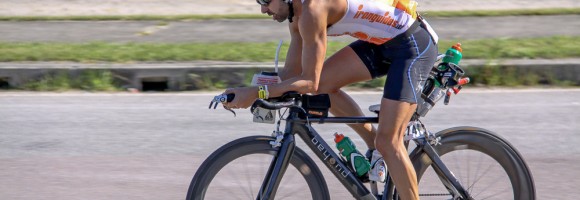
Image Post

IRONMAN PERFORMANCE – BIKE SPECIFICITY IN TRIATHLONS

When coaching any sport for performance we need to be looking at the specific elements of fitness and any other specific factors that might effect performance. We then need to make sure we are building these specific factors into the training program.

When it comes to specificity timing is everything, we do not want to be looking at specific work all year round as the focus on this always sees a decline in general fitness. We also see that once specific work starts in any program that the body adapts very quickly to any change and within a short period of time we stop seeing any noticeable improvements.

For example if you are racing on a hilly bike course then we would need to be looking at incorporating hills and technical descent training into the program. Riding hills simply asks the muscles to contract in a different pattern to when we ride on the flat and also we will ride at a different cadence we need to make sure that we are used this on race day or else we will fatigue quickly and not perform to our best. If we watch events like the Tour de France we see the riders really suffer when they leave the flat riding of the opening week and head into the hills – they need a day or 2 to find their climbing legs – these riders will have prepared in the hills before the race but so many hours of flat riding in the opening week of the race sees the legs get used to this pattern of riding and its a shock to their legs when they suddenly face the demand of climbing.

Using the above example of a hilly bike course on race day, a lot of athletes will look to make they endurance ride hilly as this would seen to make sense in increasing bike fitness on the hills, if we look at the stats of this type of ride for sure we will get more hill riding but what goes up must come down and during a hilly ride there will be a lot of dead time in terms of fitness. A 3 hour ride in the mountains for example might see only 2 hours of real riding time due to all the descents and free wheeling, a 3 hour ride on flatter terrain would get more general fitness development and the hill specific work could be put into a shorter session during the week so we preserve the fitness development of our endurance rides.

Timing is everything and really when we are looking at specific work like this then the final 5-6 weeks into the race are when we need to start hitting the specific work that will allow us to race to full capacity on race day.

Putting specific work into the program not only needs to be carefully looked at in terms of its effect on general fitness but there is a safety aspect too. Specific work also brings extra demands to the body and increases injury risk. From a technical point of view crashes happen, there is a very true saying in cycling – “there are those cyclists who have crashed and those who are going to crash” – descending hills/ mountains is dangerous, we are travelling at much greater speeds and that brings with it risks – no matter how technically good you are as a rider there is still a risk – you can hit a stone, get a puncture or hit a wet section of road and crashes happen.

We need to factor this into rides, we need to develop technical skills but we want to minimise risk – if the day of your hill ride comes and its pouring rain then maybe you need to change plan and save that ride for a dryer day – yes we have to ride in the rain on race day but in training the risk is not worth it.

When we look at specific work it needs to be specific – its no use training in extremely steep hills if race day is going to see you riding long but shallow gradient hills. For example if we are training for the bike course at Ironman Nice which sees long but gradual hills then you need to simulate this in training – riding on the flat in a slightly bigger gear would actually work really well here competed to training in the hills if you only have access to short but steep hills.

When it comes to cycling the turbo trainer is a great tool that allows us to simulate hill riding, we can raise the front wheel slightly to get the bike into a climbing position – this does actually effect how you sit on the bike so is worth doing, resistance from the trainer is not the only thing we have to consider!! Have a go at riding a 30min hard effort on the trainer with the front wheel on flat ground and then try again with the wheel raised 3-5 inches – you will notice a big difference in how the muscles work and how you sit on the bike.

Specificity is not only about the course you will face on race day but also the weather conditions, an athlete training in the cold or dry climate who is travelling out to race in heat and humidity faces a big challenge on race day. Again though this is something we can work into our training program in the final weeks before the race.

If we are racing in humidity and cannot access that weather close to home then again the turbo trainer comes into play. We need to create a humid environment in which to train, this can be done on differing scales depending on resources. I have seen sports labs at universities use perspex boxes in which the athlete and bike is placed – the humidity within the box is high as the athletes is perspiring and working. We can recreate the same thing on a budget by simple erecting a tent at home and placing the bike inside for the session – very unpleasant but very similar to race day conditions.

As with the climbing example this sort of specific training comes with benefits but also risks. The demands of riding in such environments are extreme on the body, we are going to sweat more and loose more body salts – this is good for training as it allows us to get used to taking on more fluid and test race day nutrition but it also depletes the body a lot more than training in cooler dryer climates and if we do not factor this in then we will end up suffering not gaining from the specific work.

When we look to simulate race conditions like this we need to factor in that recovery time from such sessions is going to be longer than regular, that means we need to look at the structure of our plan around these sessions to make sure we are recovering fully and not compromising our bodies too much with the specific work and end up losing general fitness.

To race to your full ability you need to make sure you have great general fitness and that you have incorporated specific work into your plan in the final weeks leading to your race so you are ready to perform and enjoy your fitness!

Enjoy your training.
By Alun “Woody” Woodward

Train with ironguides!

Personalized Online Coaching:  Starting at USD190/month

Monthly Training plans (for all levels, or focused on one discipline): Only USD39/months

Event based training plans:

Sprint Distance (USD45 for 8-week plan)

Olympic Distance (USD65 for 12 week plan)

Half Ironman (R$95 for 16-week plan)

Ironman (USD145 for 20-week plan)

X-Terra (USD65 for 12-week plan)

Running Plans (10k, 21k and 42k – starting at USD40)

 

X

Forgot Password?

Join Us